Blog
-
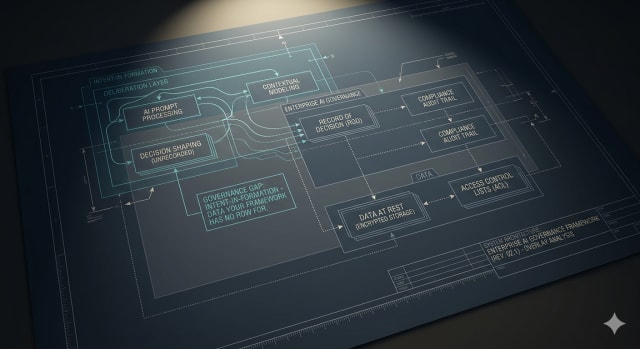
Intent-in-Formation: The Data Your Governance Framework Has No Row For
Enterprise AI governance is thorough, well-documented, and pointed at the wrong target. It was built to govern records of decisions. It was not built for the layer where decisions are now being formed.
-
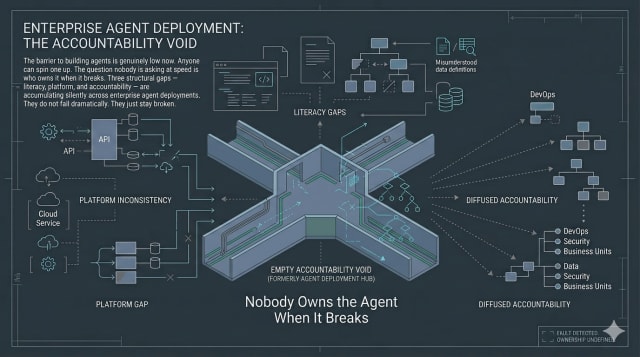
Agents Don’t Have Owners. That’s the Problem.
The barrier to building agents is genuinely low now. Anyone can spin one up. The question nobody is asking at speed is who owns it when it breaks. Three structural gaps literacy, platform, and accountability are accumulating silently across enterprise agent deployments. They do not fail dramatically. They just stay broken.
-
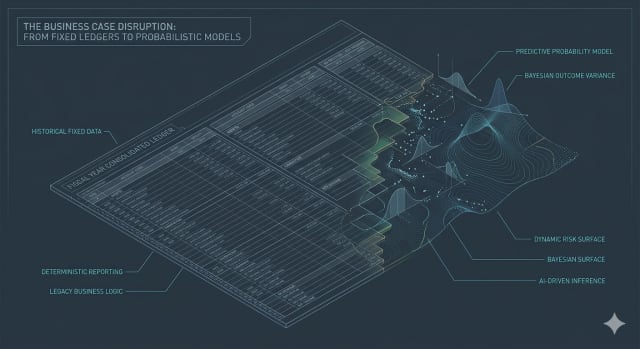
AI Agents Broke the One Rule Business Cases Depend On
The enterprise business case was built on one assumption: costs are knowable before commitment. Agentic AI breaks that assumption structurally, not incidentally. Most organisations have not yet noticed what that means for every AI decision they are about to make.
-

The Agent Was Fast. It Was Confident. It Was Wrong.
The agent skipped the steps it was given. The output arrived faster. It was wrong. And the total compute cost of recovering from that shortcut was higher than following the instructions would have been. This is not a prompt engineering problem.
-

Before We Scale Intelligence, We Must Map the Tensions
Technological systems rarely fail because they lack capability. They fail because competing priorities were never explicitly aligned. Before we optimize for scale, autonomy, or efficiency, we must first map the structural tensions that determine whether systems endure or collapse.
-

Why Cloud-Only AI Breaks at the Edge
Cloud-first AI looks elegant in theory. But as AI moves into factories, grids, hospitals, and field operations, latency, regulation, and connectivity reshape the architecture. Enterprise maturity begins when intelligence is distributed not centralised.
-

From Chatbots to AI Agents: What Actually Changed?
The shift from chatbots to AI agents feels revolutionary. But the intelligence hasn’t transformed as much as the exposure has. The real change is architectural — and that’s where enterprise reality begins.
-

Why Most AI Agent Demos Fail in Real Enterprises
AI agent demos often look impressive — but success in controlled environments rarely translates to real enterprise scale. This article explores why agents stall in production and what it actually takes to design systems that survive real-world complexity.